Are Q-Tips Damaging Your Ears?
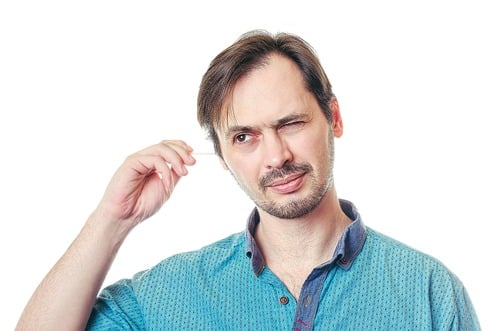
Despite the warning printed clearly on every package—”do not insert into ear canal”—most Americans still reach for Q-tips when it’s time to clean their ears. If you’re one of them, you may be setting yourself up for a range of uncomfortable and sometimes serious ear problems. The ENT specialists at Alabama Ear, Nose & Throat see the consequences of this habit every day, yet many people remain unaware that their daily cleaning routine could actually be damaging their ears.
Should You Remove Earwax at All?
The most common reason people use cotton swabs is to remove earwax from the ear canal, even though no medical professional has ever recommended doing so. But here’s the question worth asking: do we even need to remove earwax in the first place?
Earwax isn’t dirt. It’s a natural substance with antibacterial properties that traps dust, debris, and harmful microbes before they can travel deeper into your ear. In other words, earwax is doing an important job.
Many people also blame earwax for itchy ears and grab a Q-tip for relief. Ironically, over-cleaning is usually what causes that itch in the first place.
So if you’re not supposed to remove it, where does the earwax go?
Your body is designed to handle this on its own. Everyday movements like talking and chewing gradually push earwax out of the ear canal, where it’s naturally washed away during your next shower. For most people, that’s all the cleaning your ears will ever need. If you do feel like you have a bit of buildup, a few drops of warm water or an over-the-counter wax-softening solution is typically more than enough.
The Hidden Consequences of Q-Tips
If you’ve been using Q-tips for years without thinking twice, you’re not alone, but the habit comes with real risks.
When you insert a cotton swab into your ear, you’re often pushing earwax deeper into the canal rather than removing it. Over time, this can lead to impacted earwax, which causes symptoms like:
- Ringing in the ears (tinnitus)
- Muffled or reduced hearing
- Earaches and pressure
- Dizziness or balance issues
If wax is pushed far enough, it can even press against the eardrum and cause permanent damage.
Beyond impaction, Q-tips also pose a direct injury risk. The ear canal is lined with delicate skin, and pushing a swab in too far can cause scratches, abrasions, or, in worst-case scenarios, a punctured eardrum. These injuries can result in pain, bleeding, infection, and hearing loss. Even careful users aren’t immune: an unexpected bump or sudden movement is all it takes to drive a Q-tip too close to sensitive structures.
Safer Ways to Clean Your Ears
If Q-tips are off the table, what should you do instead? Here are four safe, ENT-approved alternatives:
1. Let your ears clean themselves. In most cases, your ears handle wax removal automatically. Trust the process and resist the urge to interfere.
2. Wipe only the outer ear. After a shower, use a soft, damp cloth or towel to gently clean the visible outer portion of your ear. Never insert anything into the canal.
3. Try earwax-softening drops. If you feel you have excess buildup, over-the-counter softening drops can help loosen the wax so your body can clear it naturally. Talk to a healthcare provider before starting any new ear-care product.
4. See a professional. If you’re experiencing muffled hearing, ringing, pain, or pressure, schedule an appointment with an ENT specialist at Alabama ENT. Professional earwax removal is quick, painless, and far safer than anything you can do at home.
Schedule an Appointment in Tuscaloosa
If you suspect earwax buildup is affecting your hearing or comfort, put the Q-tips down and let the experts help. At Alabama Ear, Nose & Throat, our team provides safe, professional care for earwax removal and a full range of ear, nose, and throat concerns. Schedule an appointment today and give your ears the care they deserve.